Shoyuology - Art of Koji retreat -
in Girona, Spain
19 - 22 June 2026Invitation
For centuries, soy sauce has been more than a seasoning. It is a living expression of fermentation, time, and microbial collaboration. Long before modern shoyu emerged, its precursor, hishio, embodied humanity’s discovery that salt, grain, and patience could transform simple ingredients into profound depth of flavor.
This four-day retreat invites you to step into that lineage. Together, we will craft shoyu koji and moromi from the ground up, cultivating koji with care, observing its growth, and setting the moromi fermentation in motion. If you are drawn to the alchemy of fermentation, the intelligence of microbes, and the quiet discipline of traditional craft, this immersion offers both practical mastery and a deeper sensory understanding of what it means to ferment soy sauce.
Setting the Stage
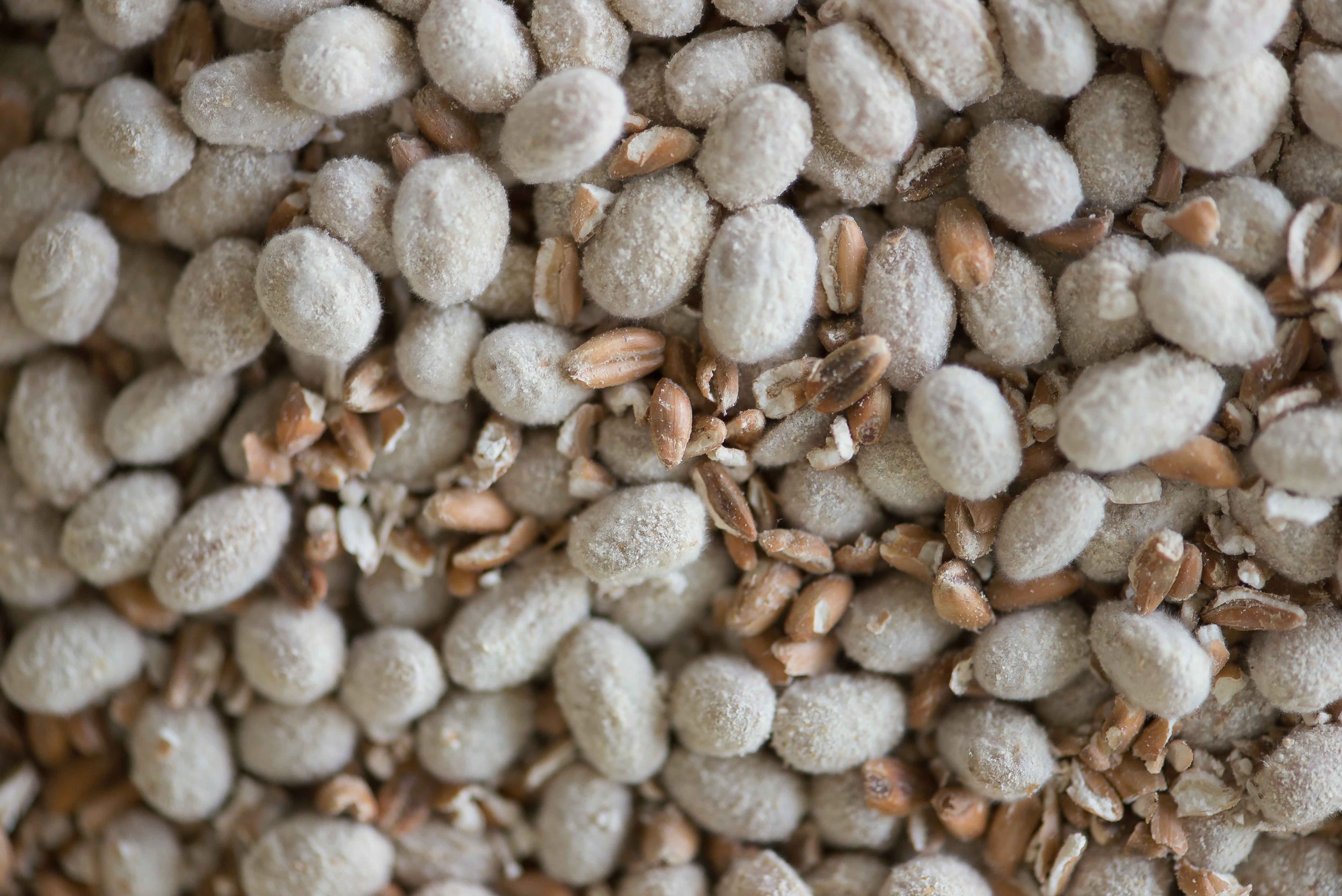
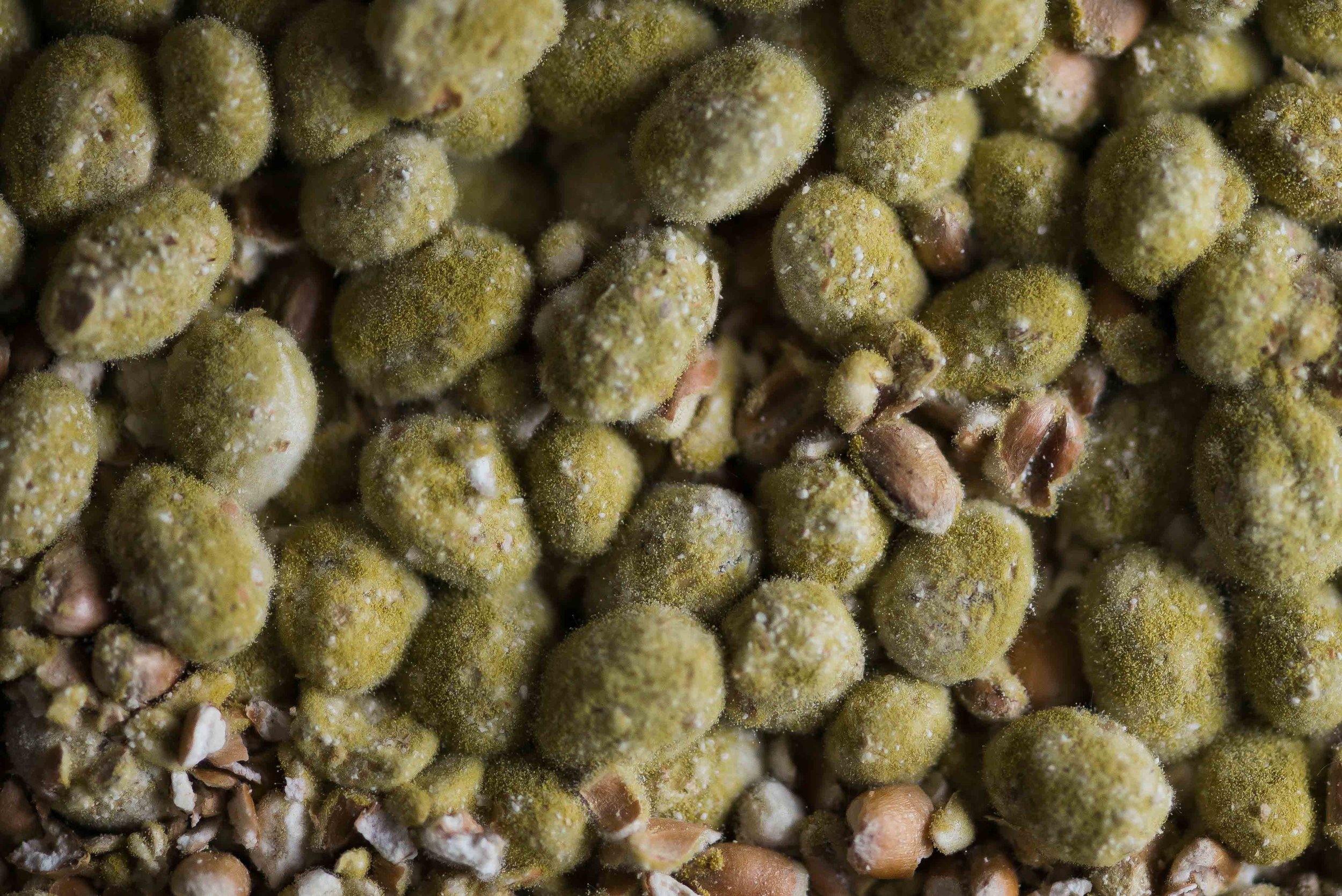
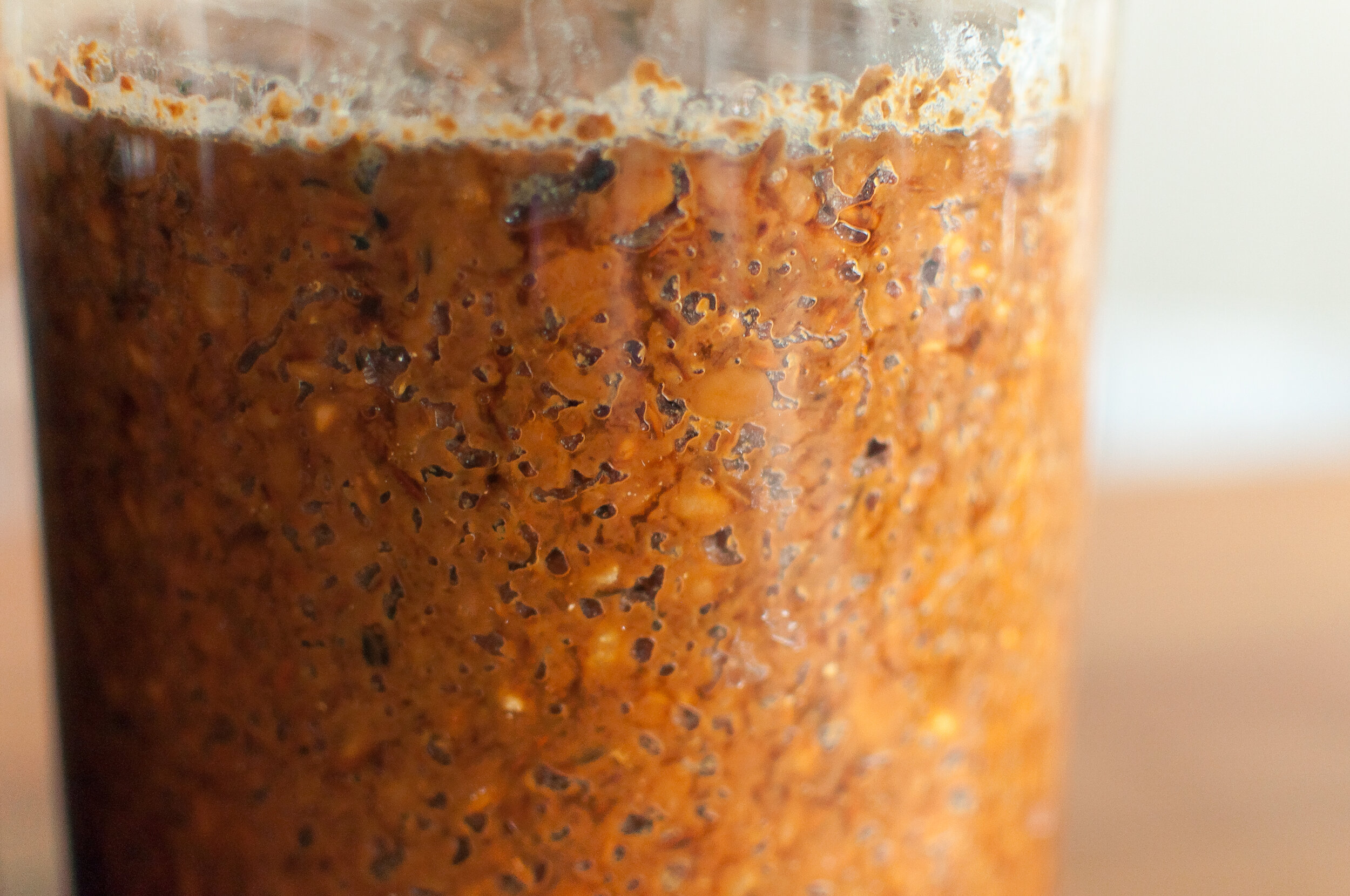
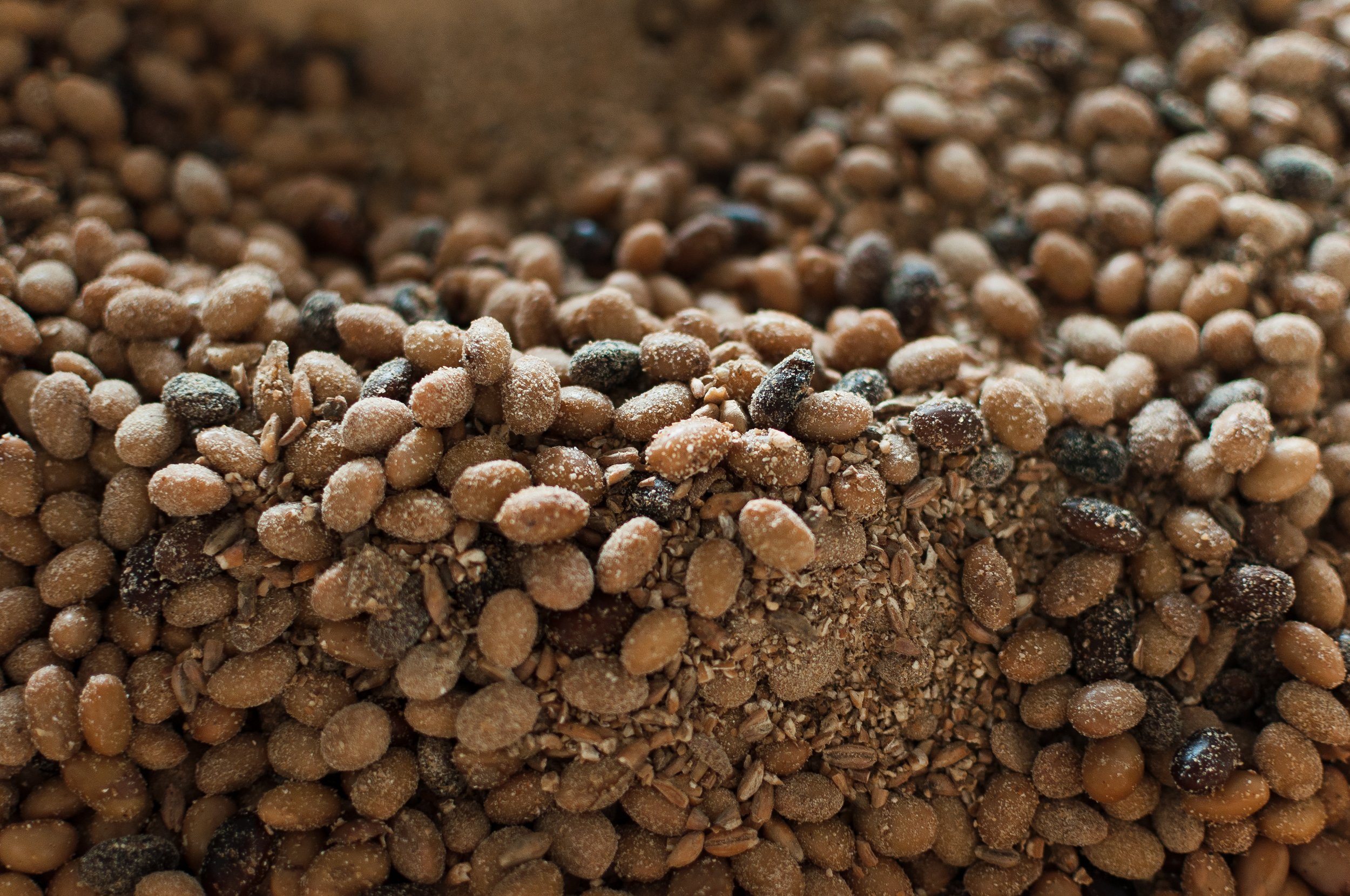
Cultivating Soy Koji: Transforming Raw Soy and Wheat into a Living Culture that Powers Traditional Shoyu Fermentation
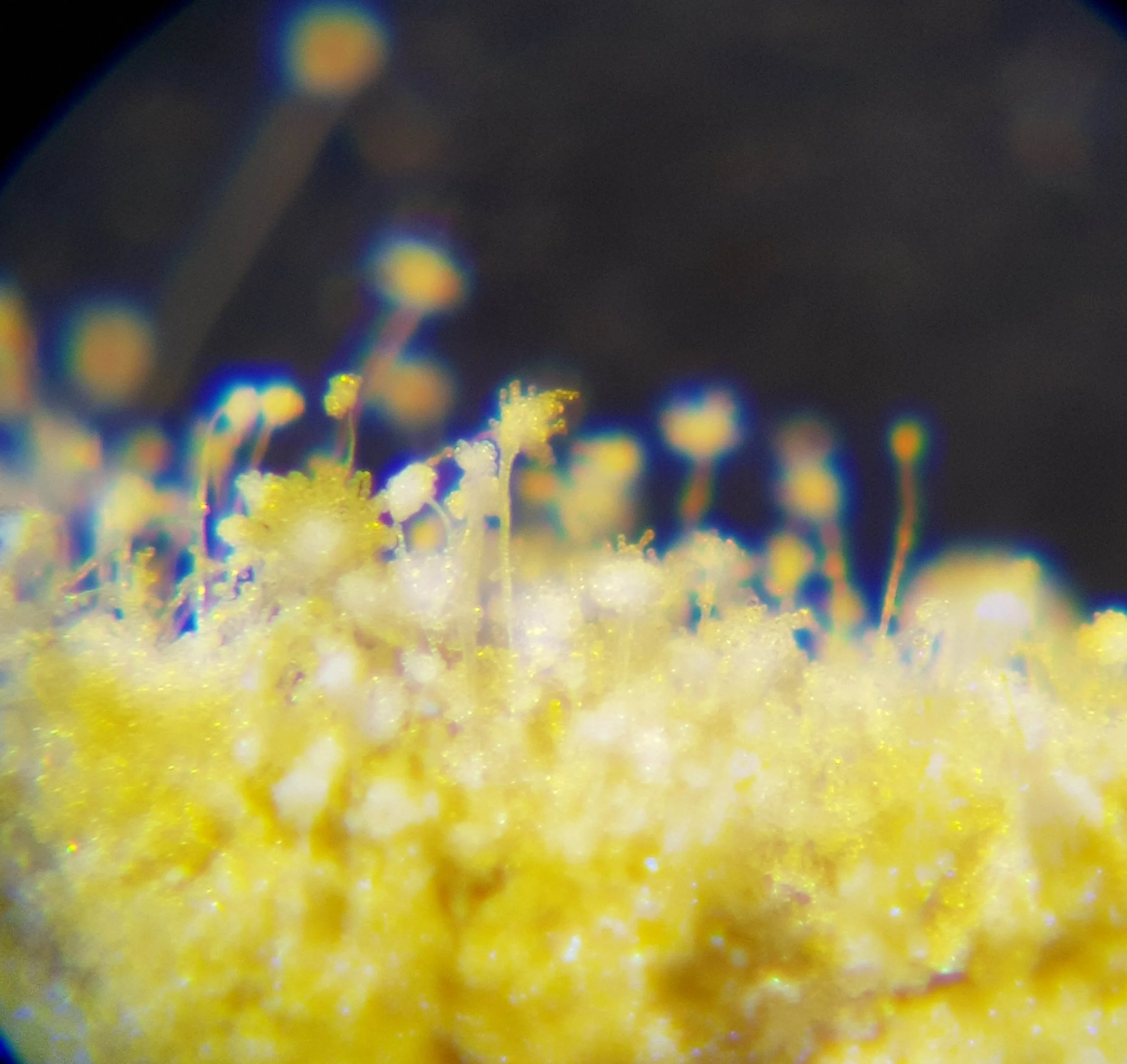
Exploring Koji Morphology: Observing Mycelial Growth, Enzyme Production, and the Microbial Dynamics Behind Flavor Development
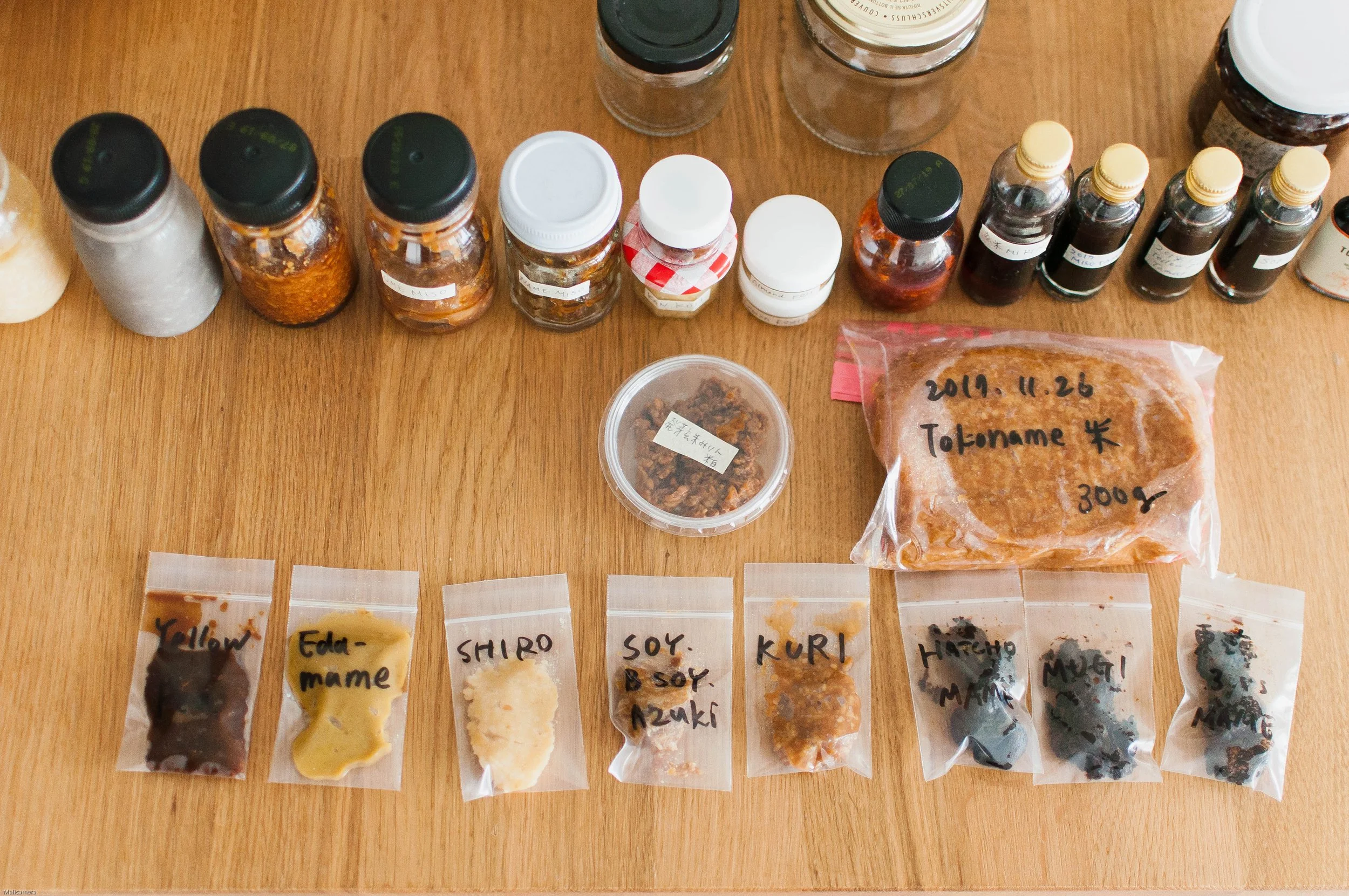
Hishio’s Legacy: Understanding the Ancestral Soy-Based Condiments that Gave Rise to Miso, Tamari, and Shoyu
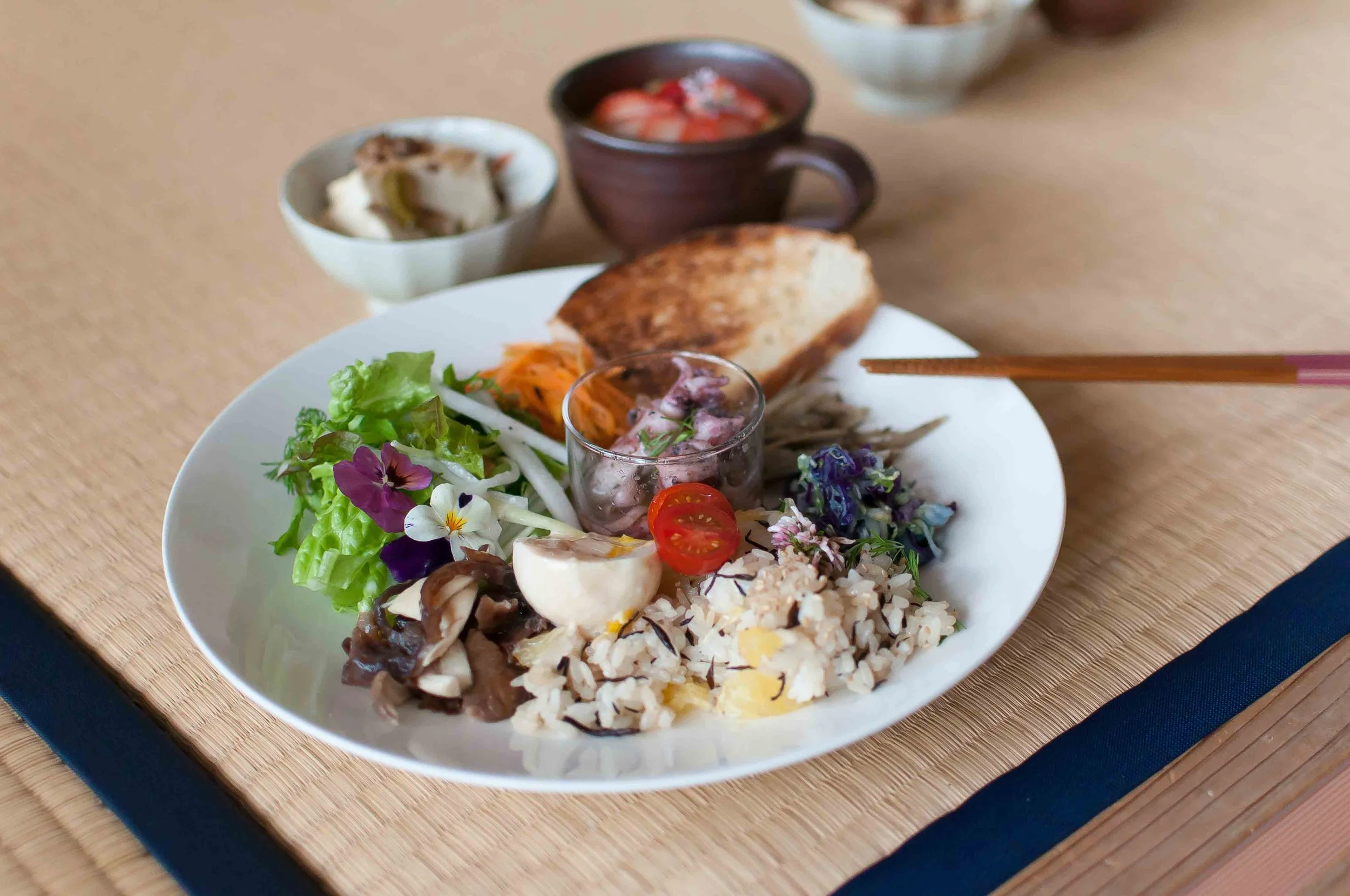
Taste the Results: Savor the Subtle Flavors Developed Through Precise Koji Cultivation and Fermentation Techniques
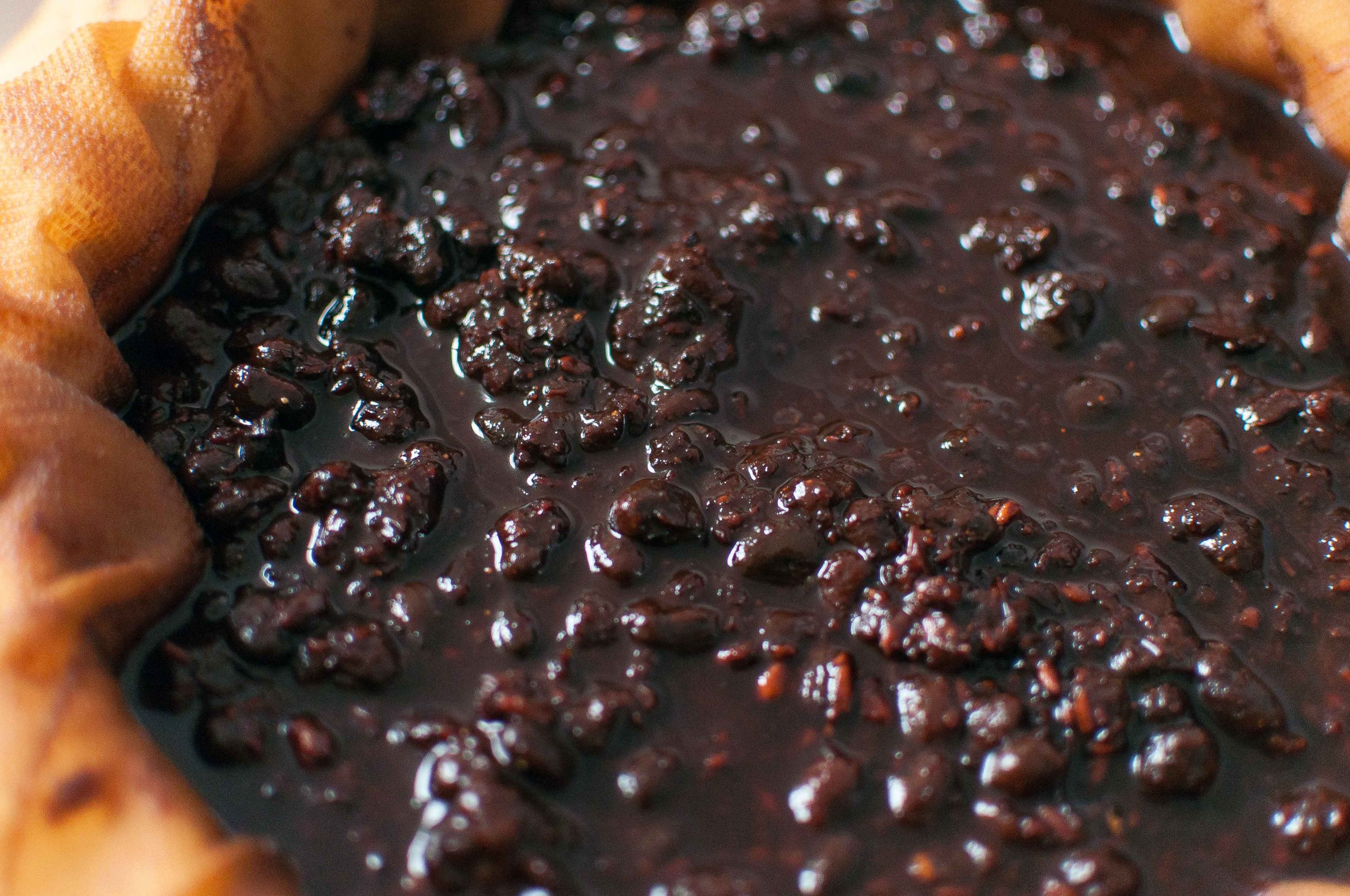
The Art and Science of Fermentation: Monitoring Moromi Development and Understanding the Microbial Interactions that Shape Shoyu
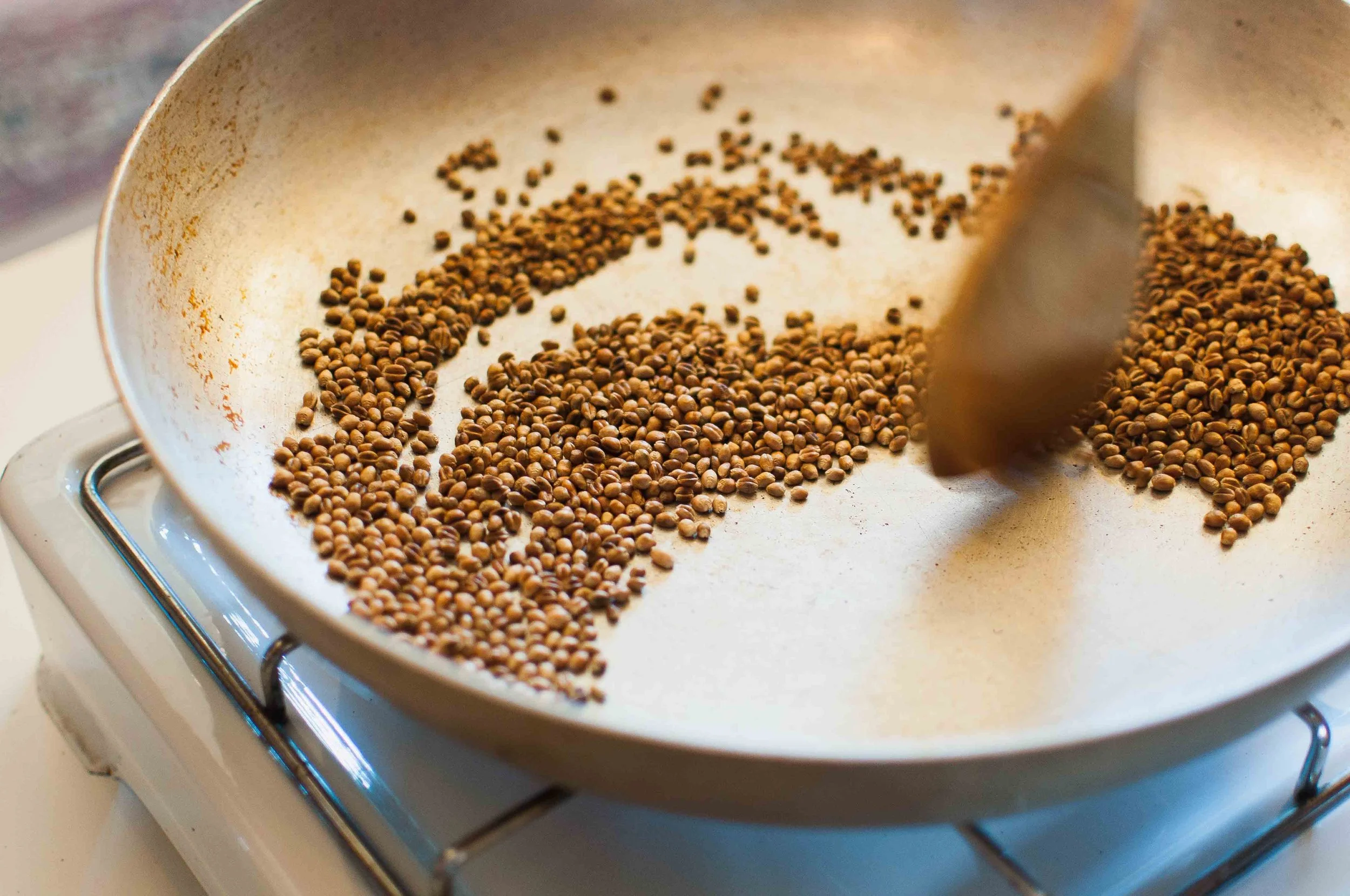
Learn Shoyu Making: From Steaming and Inoculation to Controlled Koji Growth, Experiencing Every Step of Traditional Soy Sauce Production

Cooking with Koji: Applying Enzyme-Rich Ferments to Elevate Japanese and Western Ingredients
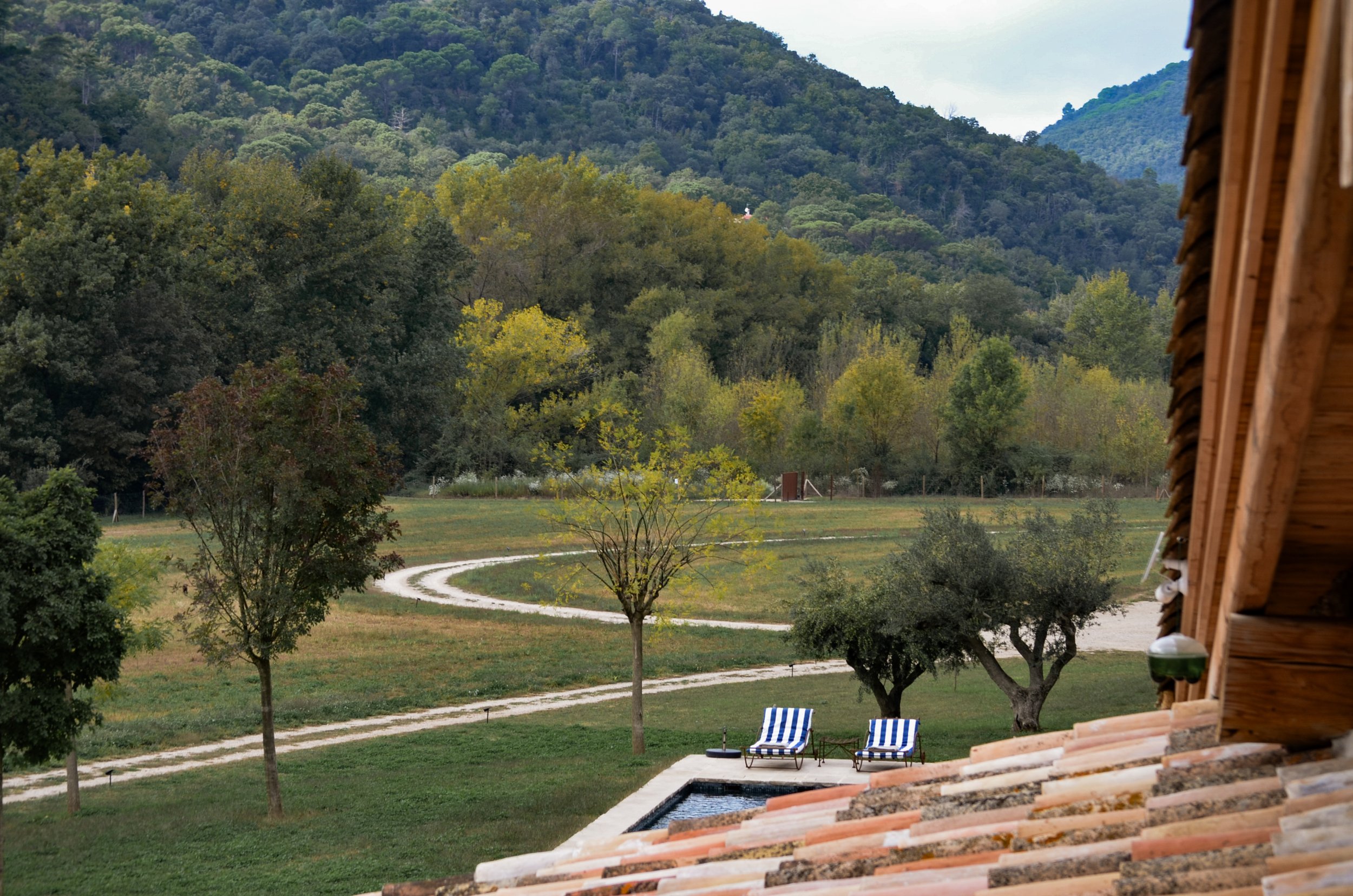
Nature and Fermentation: Drawing Inspiration from the Surrounding Landscape to Connect with the Rhythm and Patience of Traditional Brewing
Location
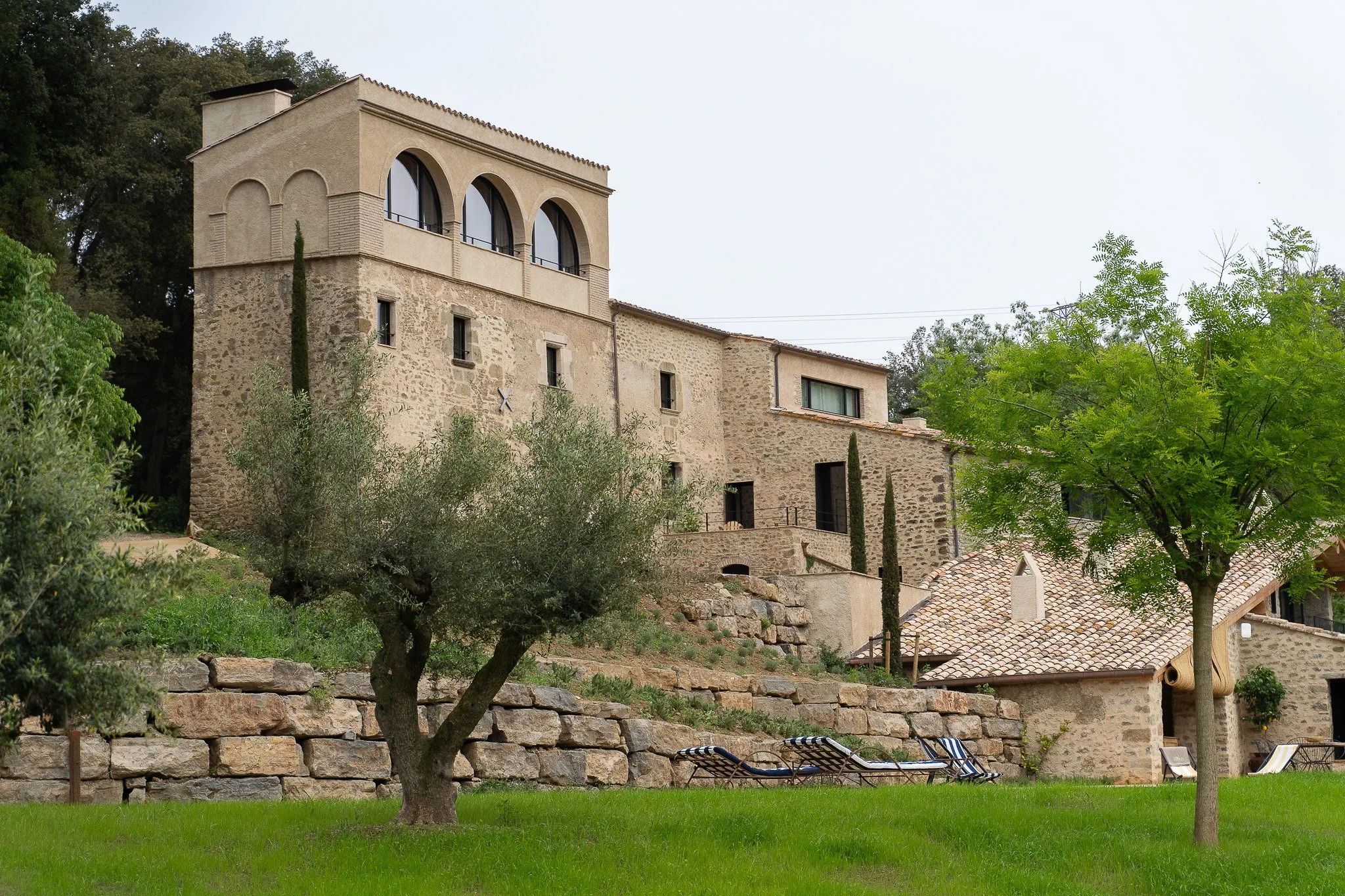
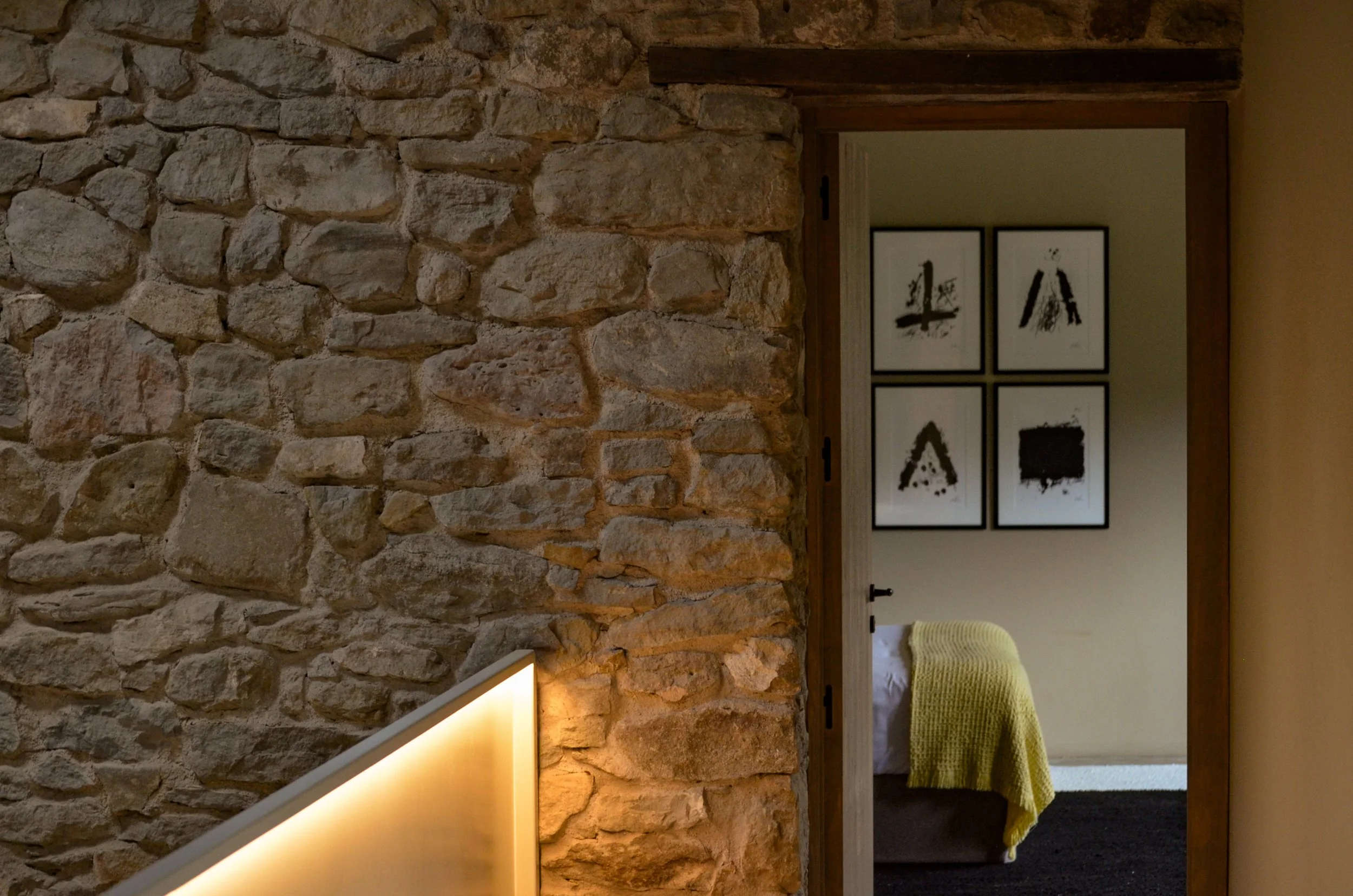
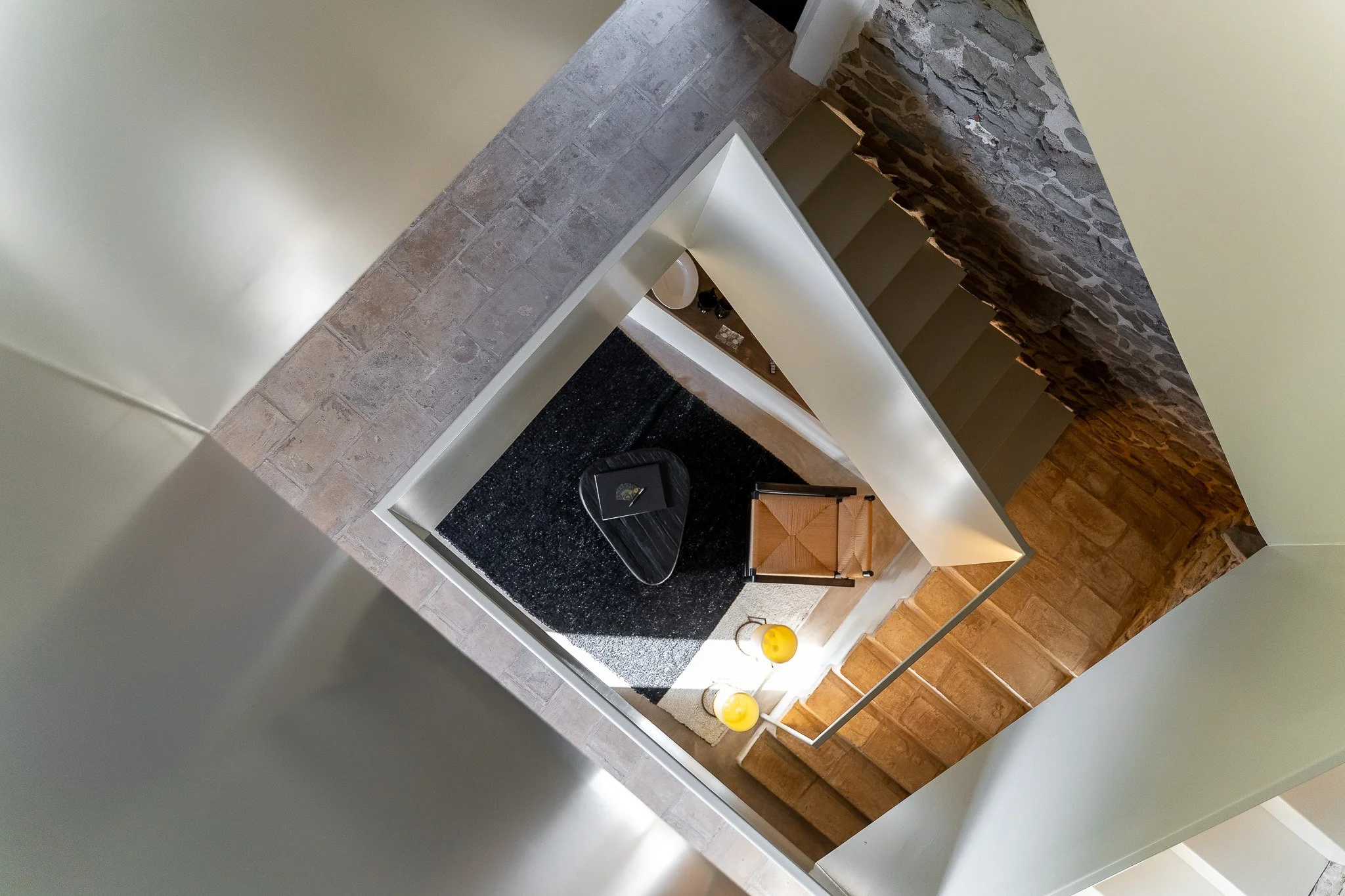
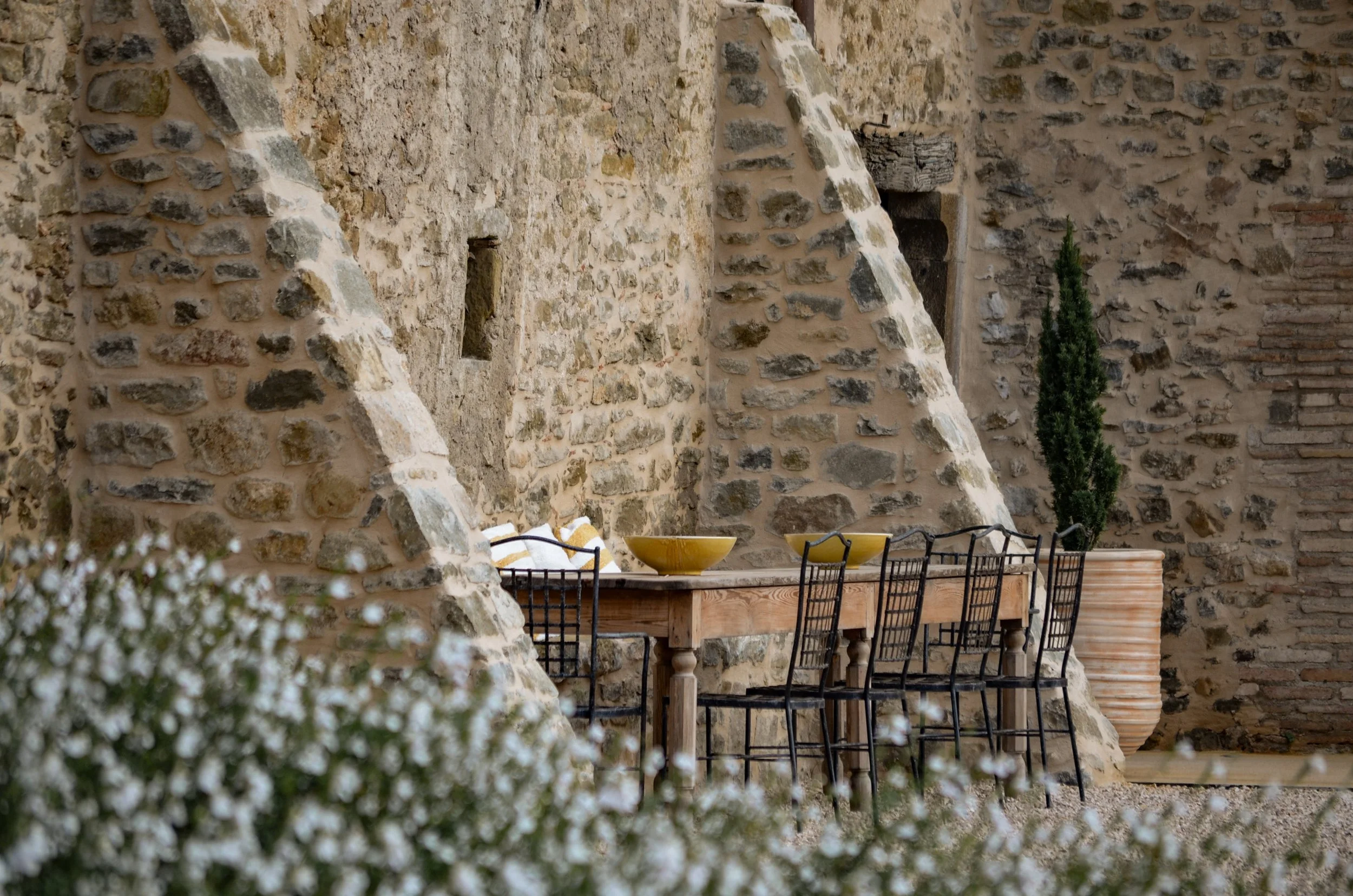
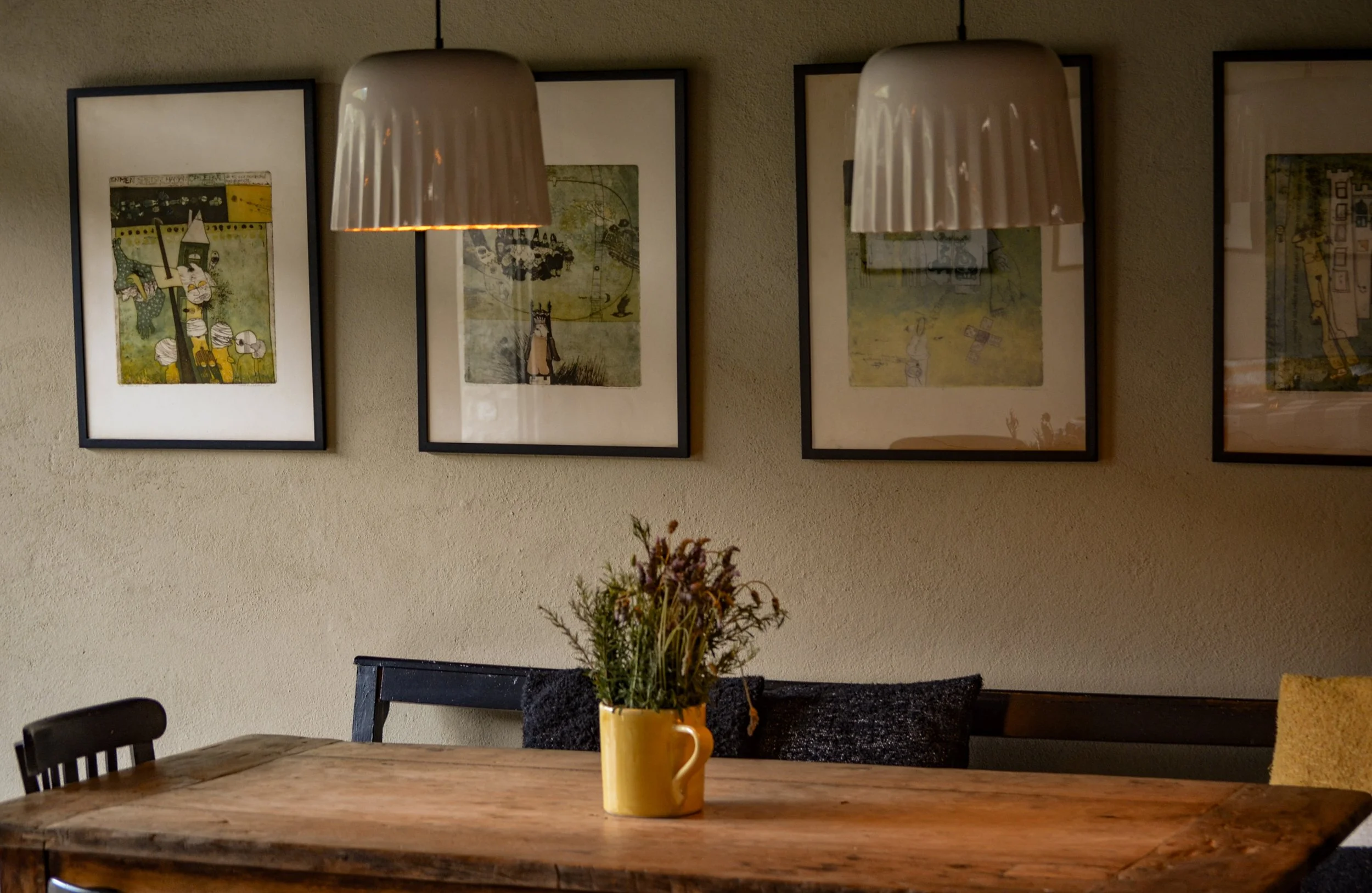
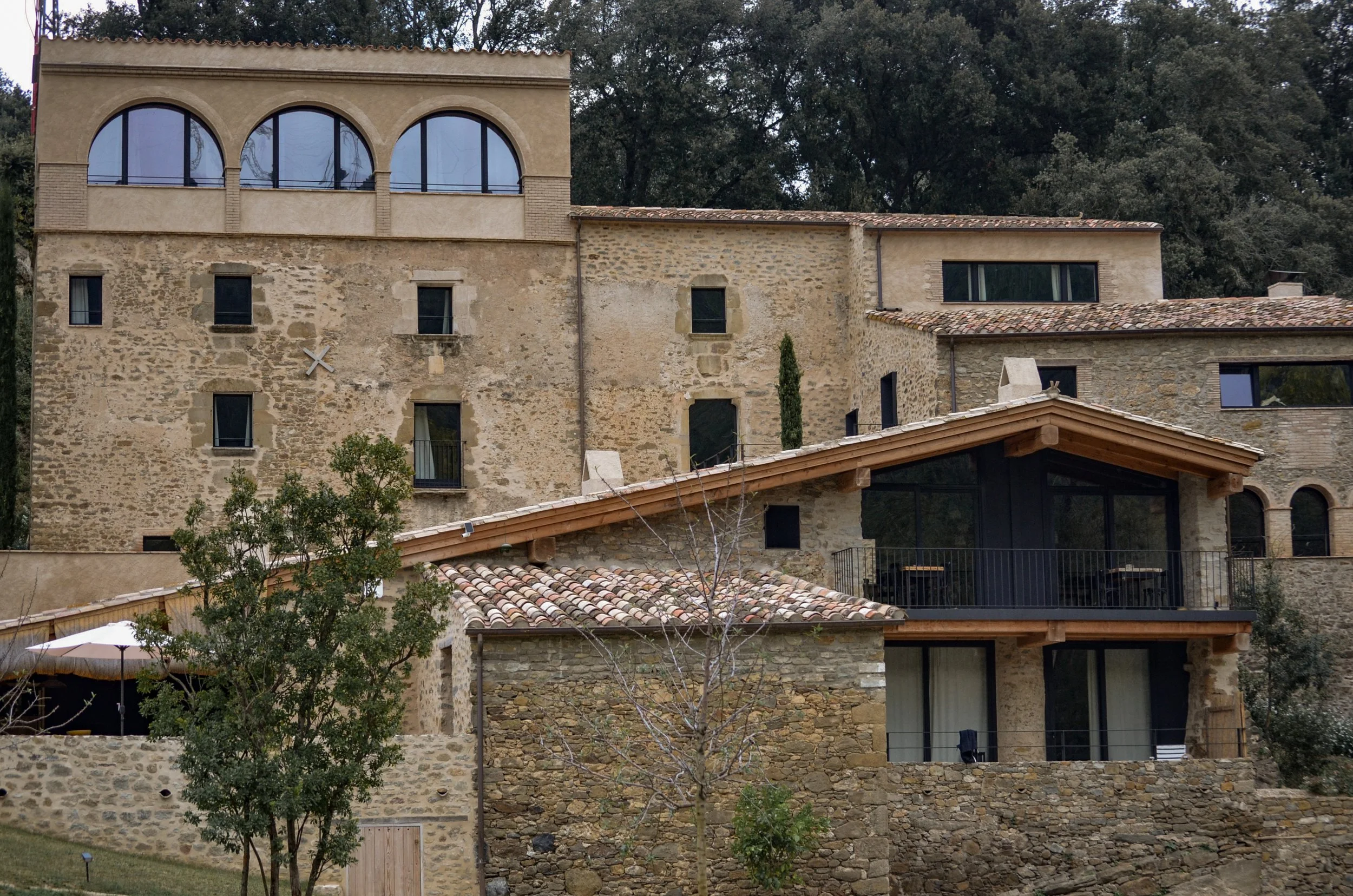
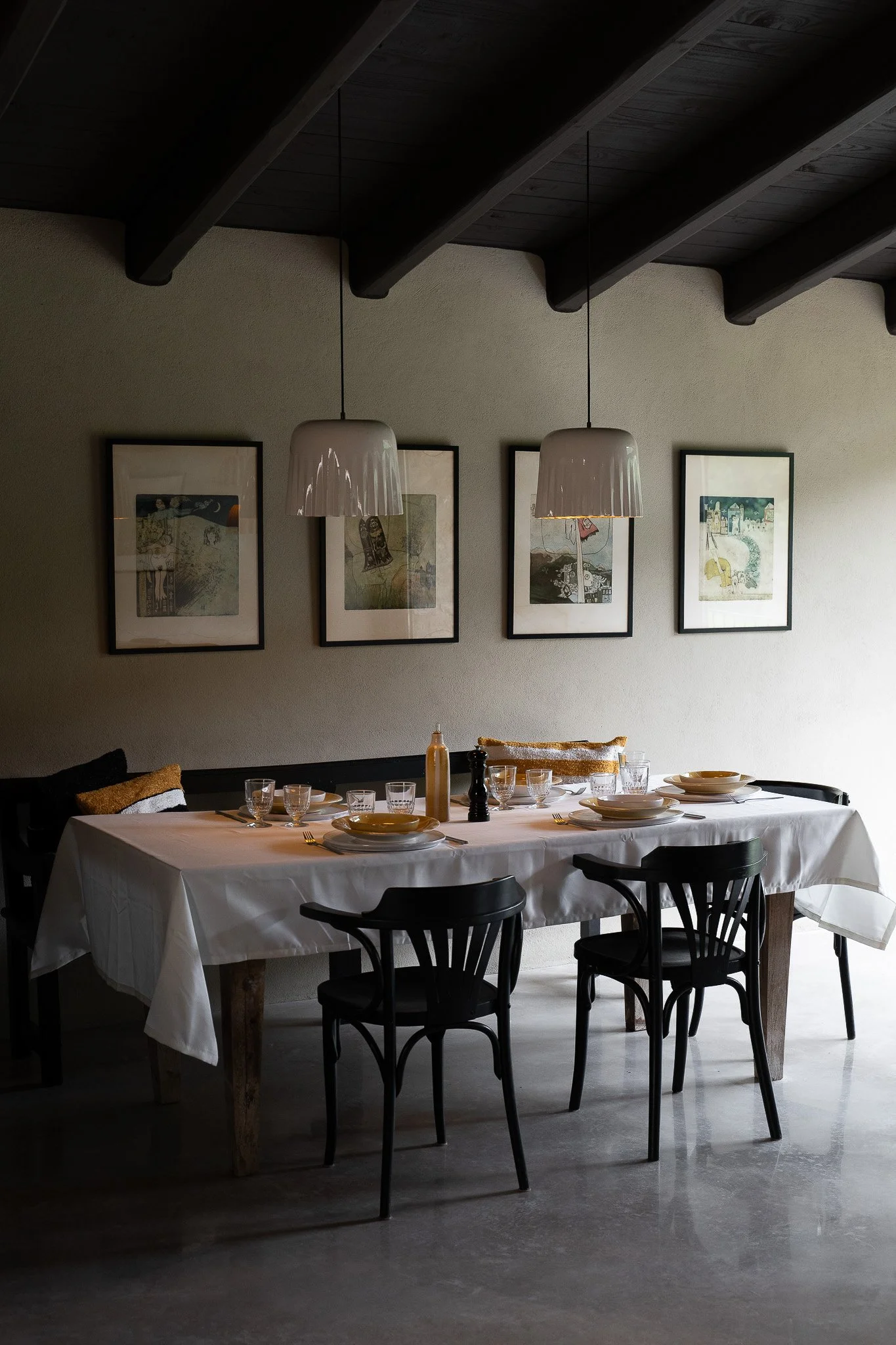
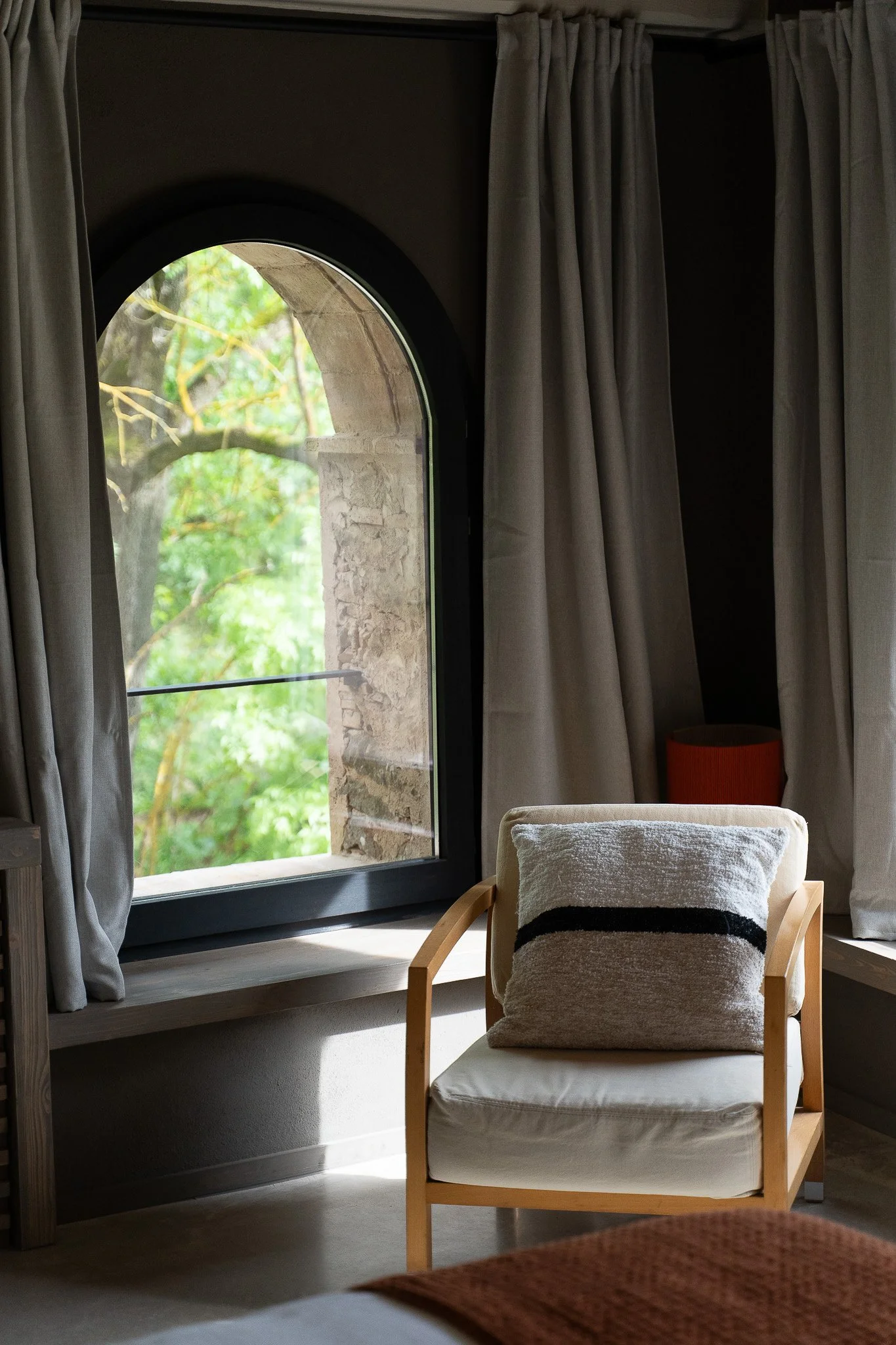
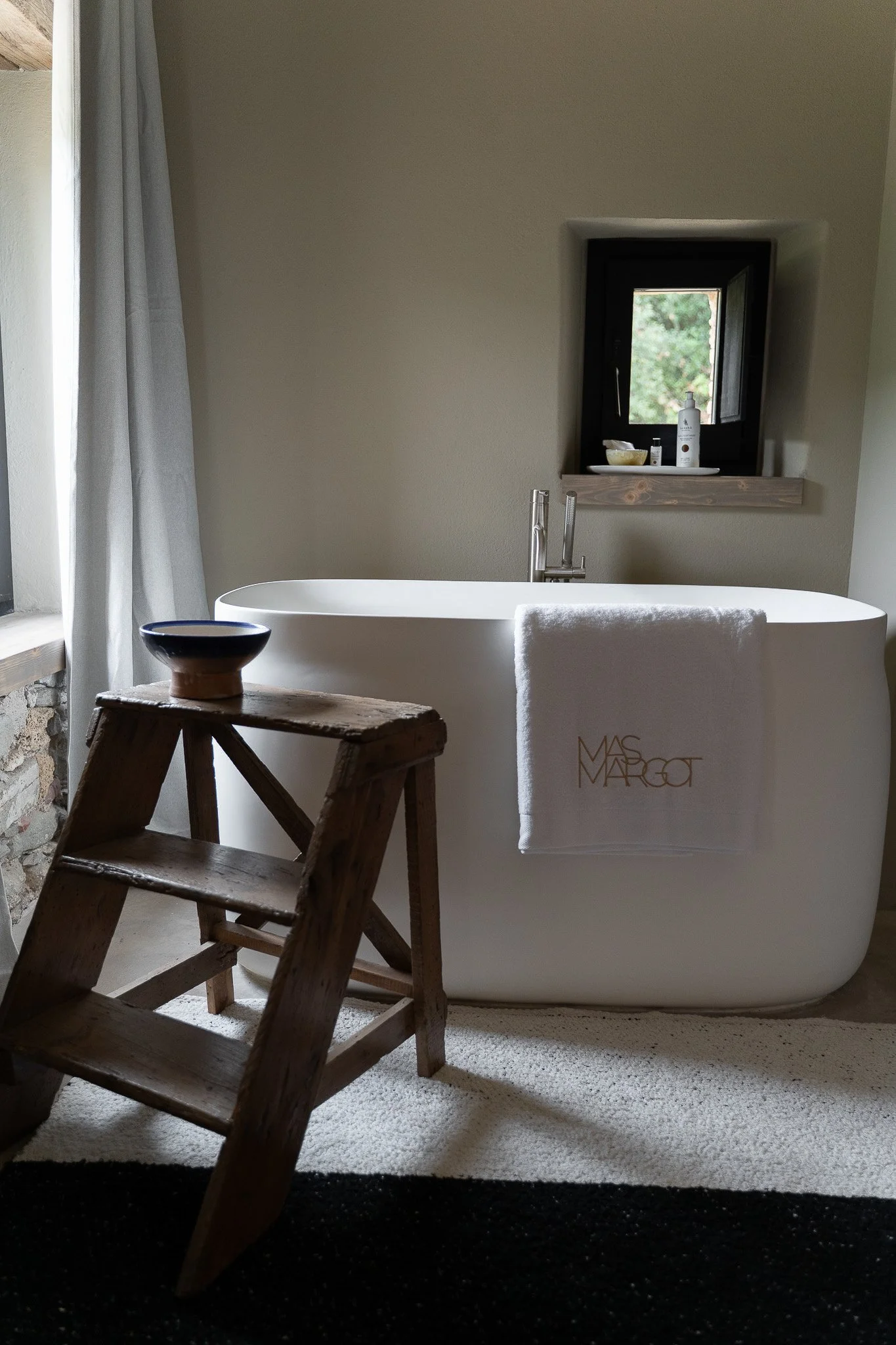
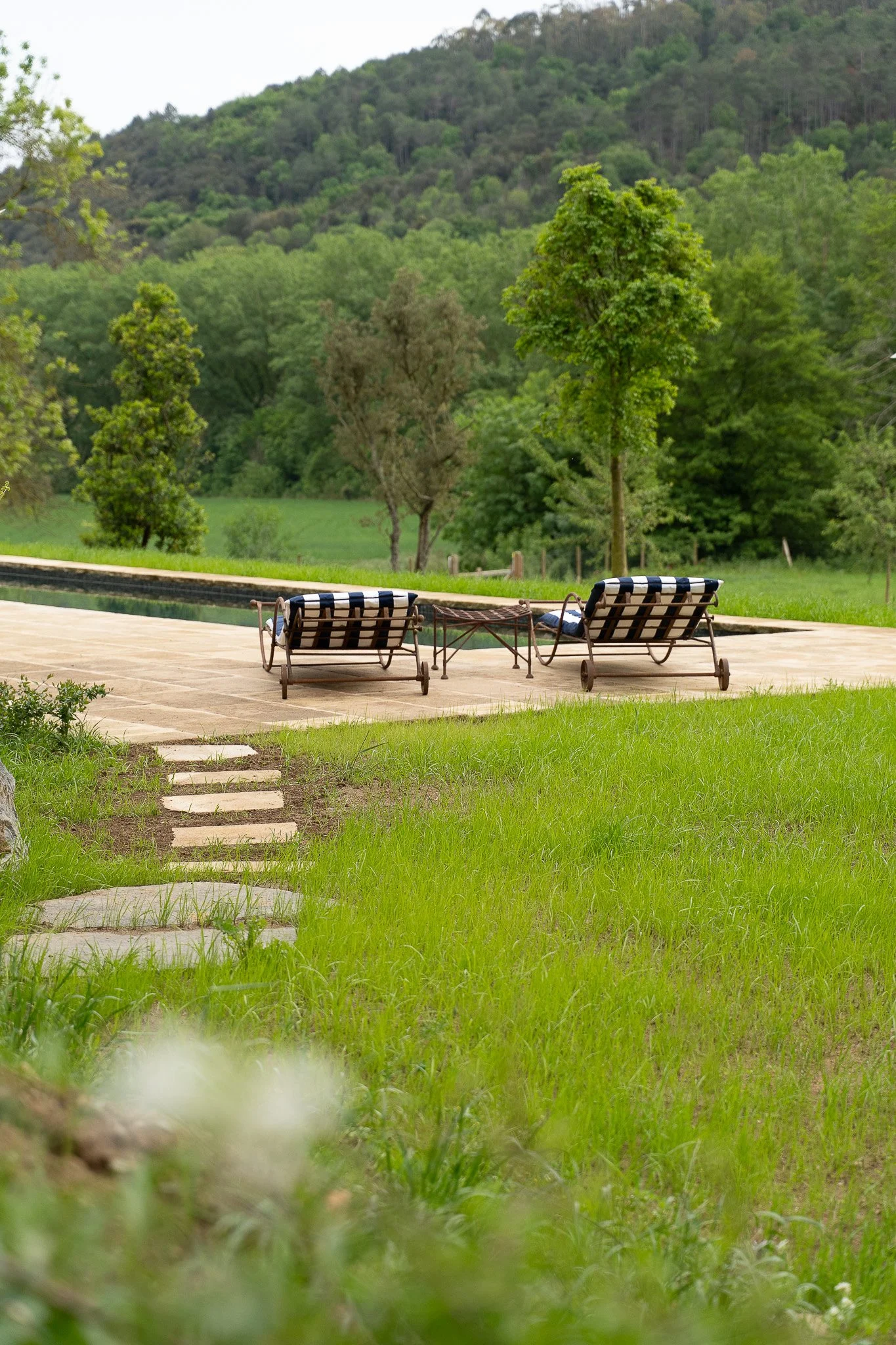
Mas Margot, An 18th-century farmhouse where historic beams meet refined design, surrounded by nature on all sides.
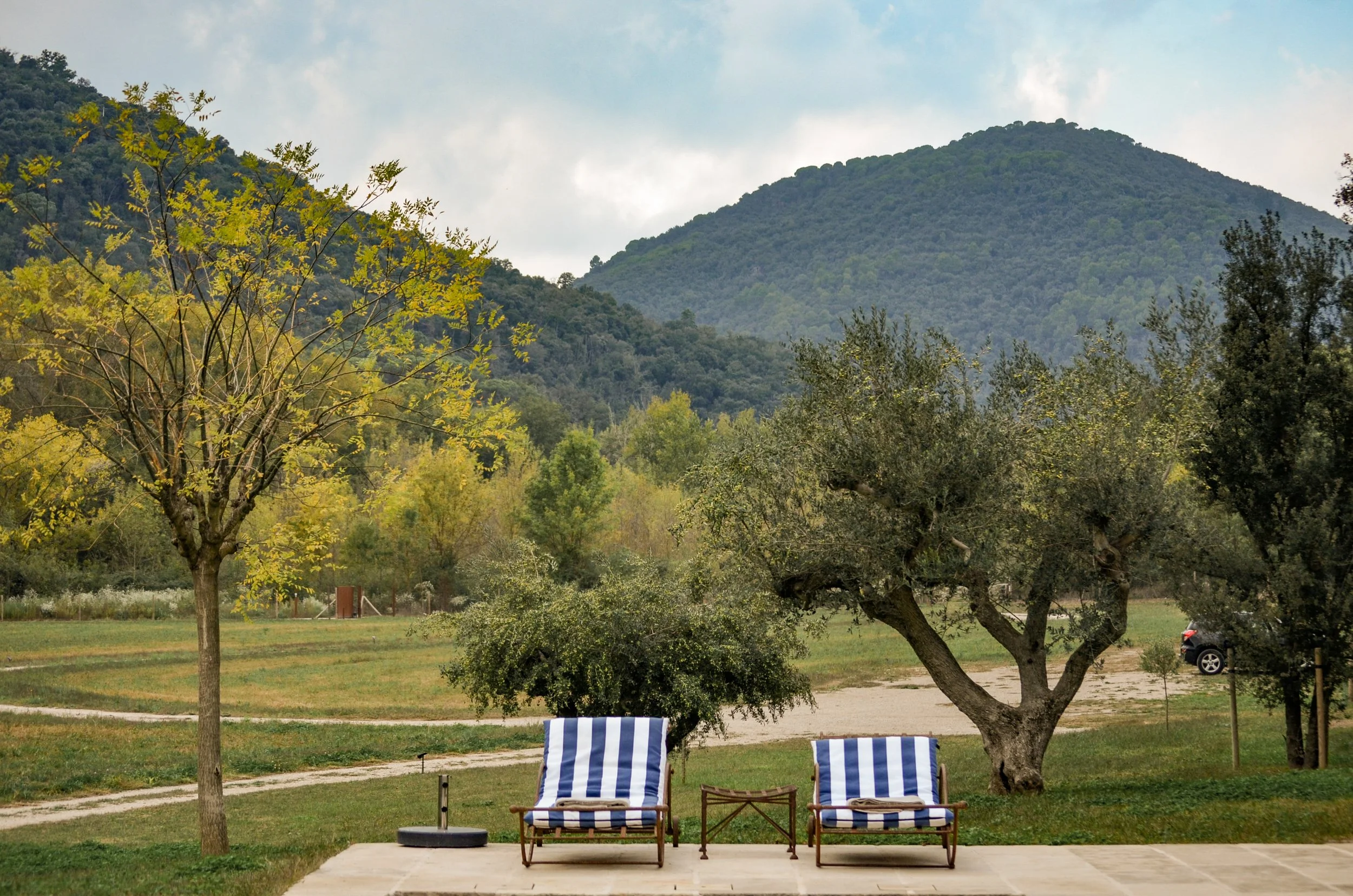
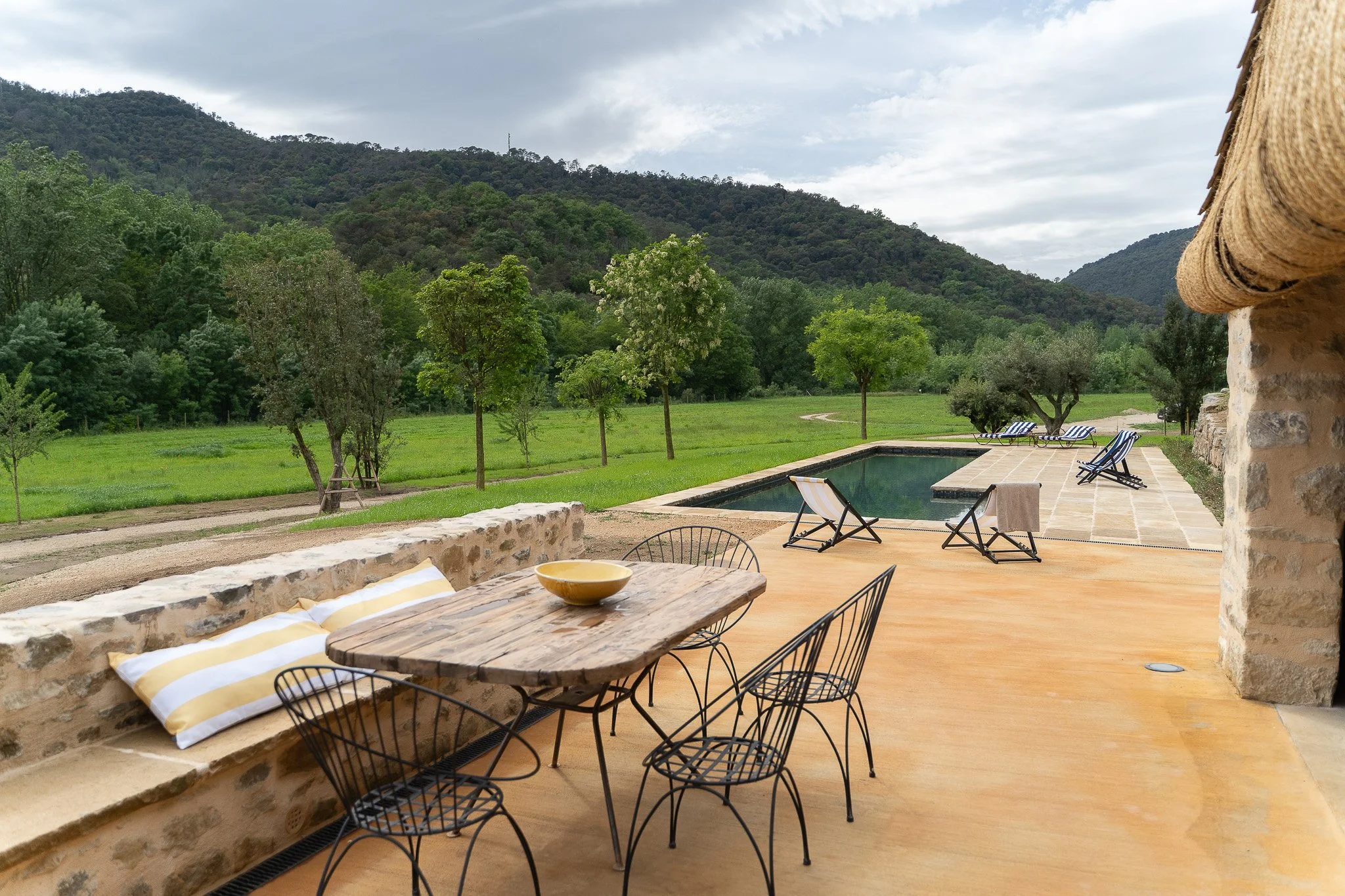
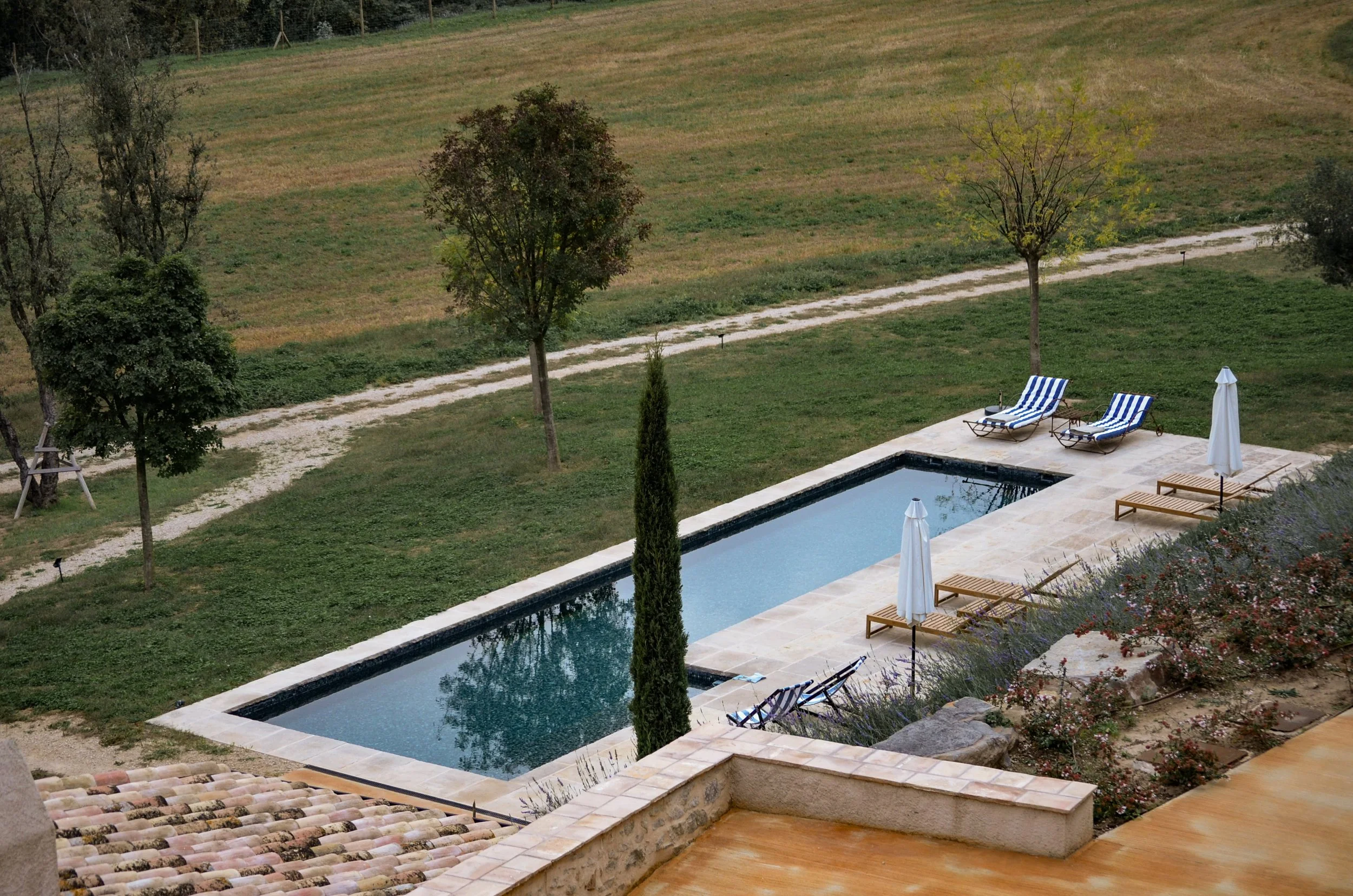
Mas Margot is surrounded by woods and a river that whispers through the trees, in a natural setting that invites you to slow down. Just a stone's throw from Girona, close to the sea of the Costa Brava and the vibrant energy of Barcelona. Here, disconnection is real, but without sacrificing proximity. The place itself is part of the experience: a 18th century farmhouse and an old barn, renovated with respect and sensitivity. Here, rural history meets contemporary comfort. Nothing is left to chance; every corner breathes authenticity, memory and a simple beauty that invites you to linger.


The lecture and demonstration by Marika Groen Kawaguchi will be in English with Spanish interpretation
Meals and breaks, time to enjoy the surroundings in between
🚩Day One 19 June (Fri) gathering at 14:00
Foundations: Building Living Koji
Preparing wheat and soybeans for inoculation (Koji A)
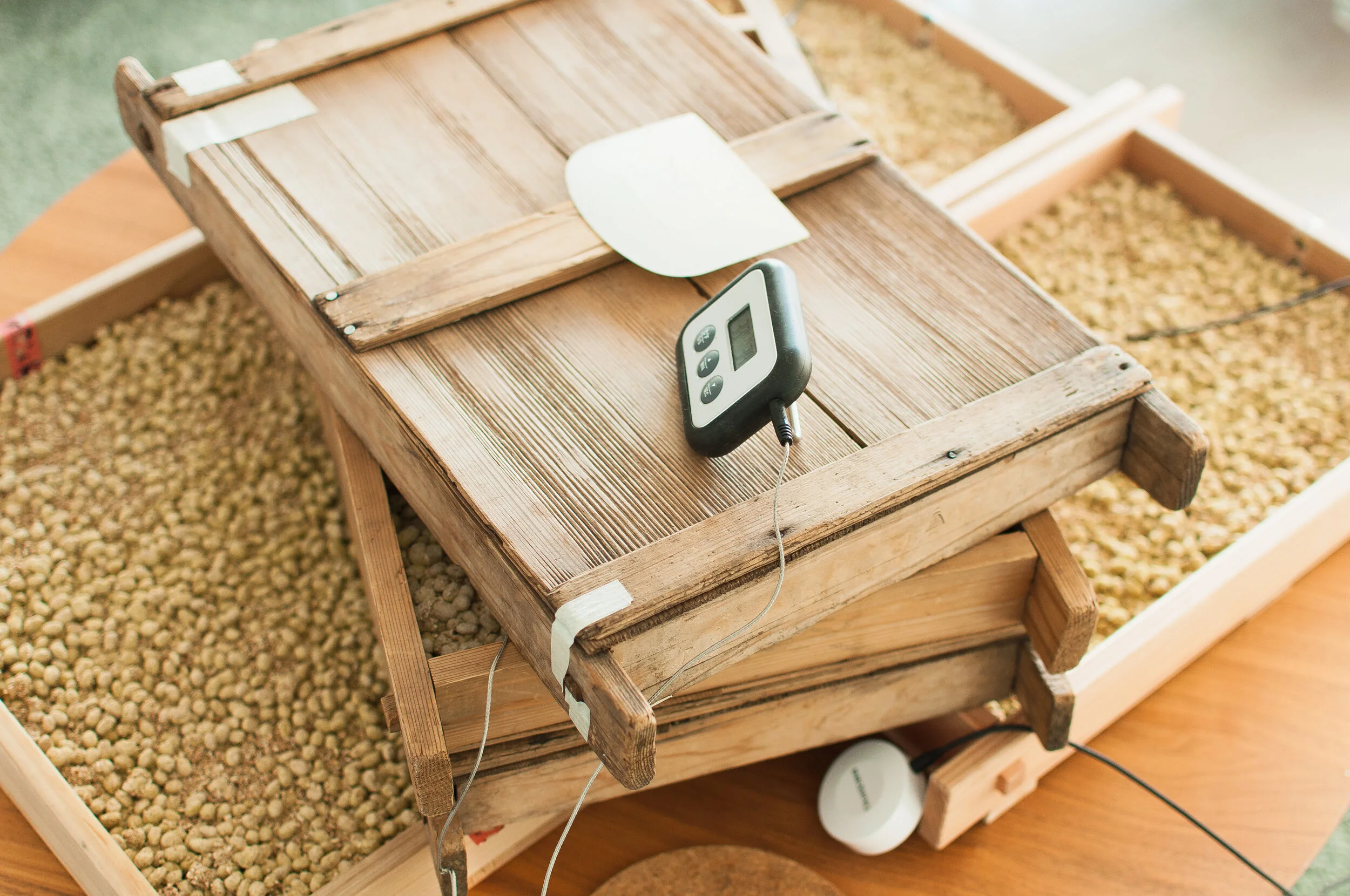
Designing the optimal koji-making environment: tools, airflow, hygiene, incubation
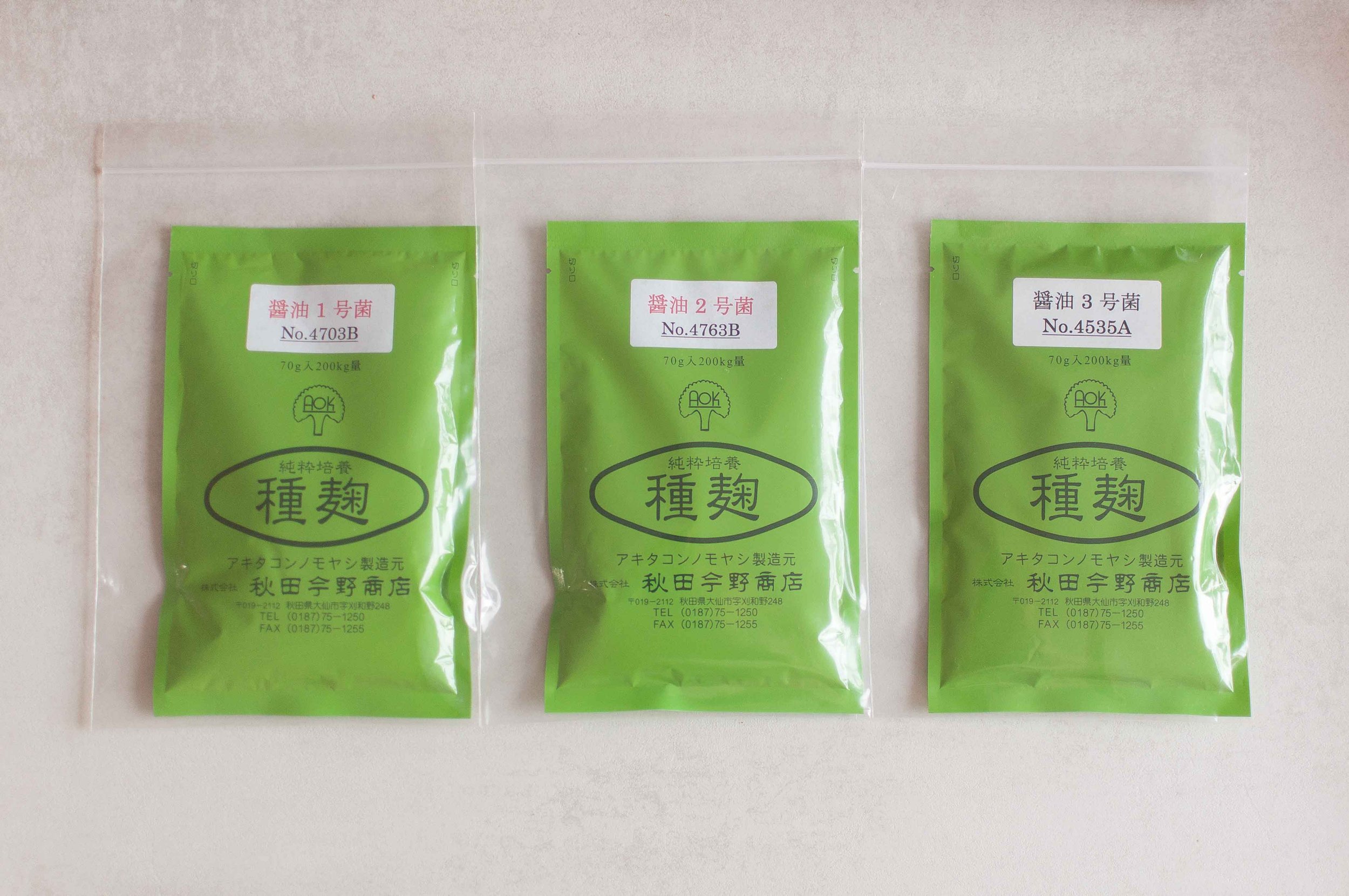
What is koji? Understanding tane-koji and the differences between starters for shoyu, miso, sake, and other Japanese ferments
The purpose of koji: enzymes, transformation, and fermentation logic
Overview of the full koji-making timeline and rhythm
We begin by cultivating the foundation of everything that follows: living koji.
🚩Day Two 20 June (Sat)
Deep Dive: Enzymes, Temperature & the Science of Shoyu
Observing and analyzing Koji A & B at different growth stages
Advanced temperature and moisture control techniques
Mycelial growth patterns and their impact on enzyme production
How koji generates protease and amylase—and why this matters
Comprehensive Shoyu Lecture
Types of shoyu and regional styles
Koji production specific to soy sauce
Texture, temperature, and microbial balance
From koji to moromi: the complete brewing process
A technical and sensory exploration of fermentation dynamics.
🚩Day three 21 June (Sun)
Brewing & Culture: From Koji to Shoyu
Final-stage observation of Koji A & B
Brewing shoyu from freshly made koji
Traditional one-year fermentation vs. modern industrial production
Guided tasting: koji-based condiments and diverse shoyu styles
Japanese Washoku Fermentation Culture
The interconnected world of miso, shoyu, mirin, sake, vinegar, natto, amazake, shio-koji
Practical applications of koji in Japanese and Western-style cooking
Understanding shoyu not only as a seasoning but as a cultural system.
🚩Day four 22 June (Mon)
Integration & Closing
Check out your room at 11:00 after breakfast
Final check of Koji B
Remaining topics and open Q&A to cover as you wish until eventually around 14:00
🕊Optional Meditation Session🕊
Each day, Natsumi will offer one short, optional meditation session (10–15 minutes).
Set in the serene, beautifully designed surroundings of Mas Margot—where restored historic architecture meets contemporary comfort and nature embraces every corner—these brief gatherings provide a gentle moment to pause, settle your mind, and refresh your focus before diving into fermentation practice. Participation is entirely voluntary.
Program
Access
Mas Margot, Llorà (Spain)
From Barcelona Airport (BCN): Approximately 1 hour 15–30 minutes by car (depending on traffic)
From Girona Airport (GRO): Approximately 25 minutes by car or taxi
From Girona High-Speed Train Station (AVE): Approximately 20 minutes by car or taxi
Dates
19 June (Friday) gathering at 14:00 – 22 June (Monday), 2026 early afternoon*
(*On 22 June, check out your room at 11:00, stay for Koji B and Q&A until 14:00 as you like)
Participation
€800 until May 8, 2026
*Accommodation, all program in the retreat course and food all inclusive
Accommodation & Room Arrangements
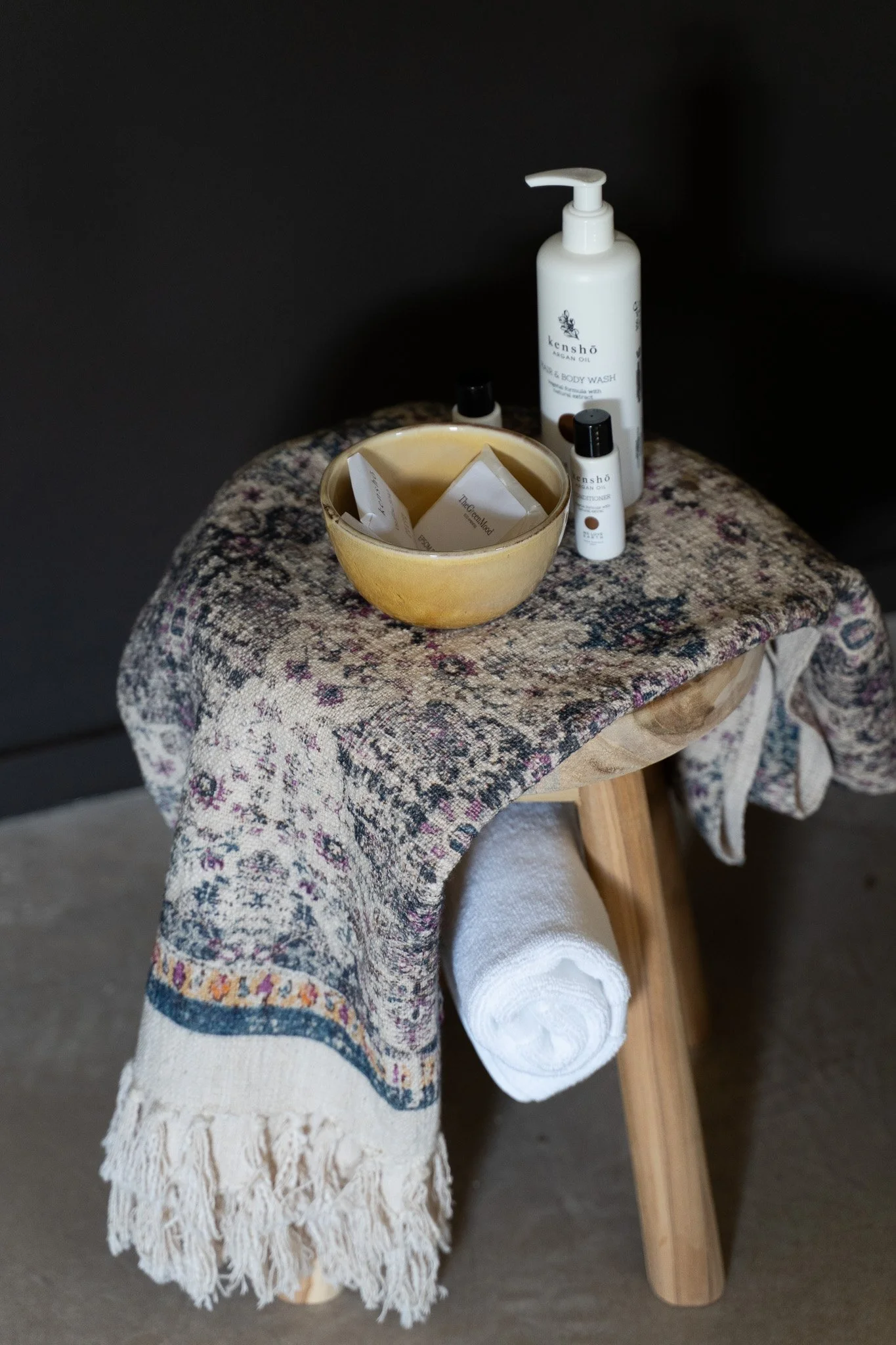
Spacious, bright and soulful suites await you. Each one has been designed with care, with rest and inspiration in mind: carefully thought-out details, en-suite bathrooms, and many of them with bathtub and fireplace, so that each stay becomes a unique experience. The views open up to the countryside and mountains, and the south orientation embraces the light from sunrise to sunset.
Due to the layout of the venue, accommodation is primarily in shared twin rooms for this retreat (see below for private room option). We are committed to creating a space where everyone feels comfortable and at ease.
■ Shared Rooms
Room pairings will be thoughtfully arranged by the organizer to ensure a harmonious stay. If you have concerns or specific requests, please let us know in advance. While we will do our best, individual preferences cannot be fully guaranteed.
■ Private Room Option
Private rooms are available for an additional +€150 (3 nights). Availability is limited and offered on a first-come, first-served basis.



Message from Marika
It has now been ten years since I began brewing Japanese style soy sauce here in Europe, and during that time chefs and home fermenters of many nationalities including Japanese have come to learn koji making and soy sauce brewing. Yet everyone works within a different reality, with different grains, different water, different climates, and different microbial worlds. Over the years I have come to feel that there is no universal formula, no single correct answer that can simply be copied. The only way forward is to brew again and again, across seasons and years, until you discover the expression that belongs to your own land. I regularly receive messages from people around the world whose moromi does not ferment, or who despite studying diligently cannot create a soy sauce that feels alive and deeply satisfying. Information by itself is not transformation. That is why I believe in gathering with commitment and moving together through the entire process from cultivating koji to setting the moromi in motion, because when you experience each stage with your whole attention, the knowledge settles quietly into your hands and senses and becomes part of you.
Registeration
By submitting this form, you will receive an invoice to complete your registration.
For enquiry, please send your message to malicafe.info(at)gmail.com
The registration closes on May 8, 2026.
Organized by…
-
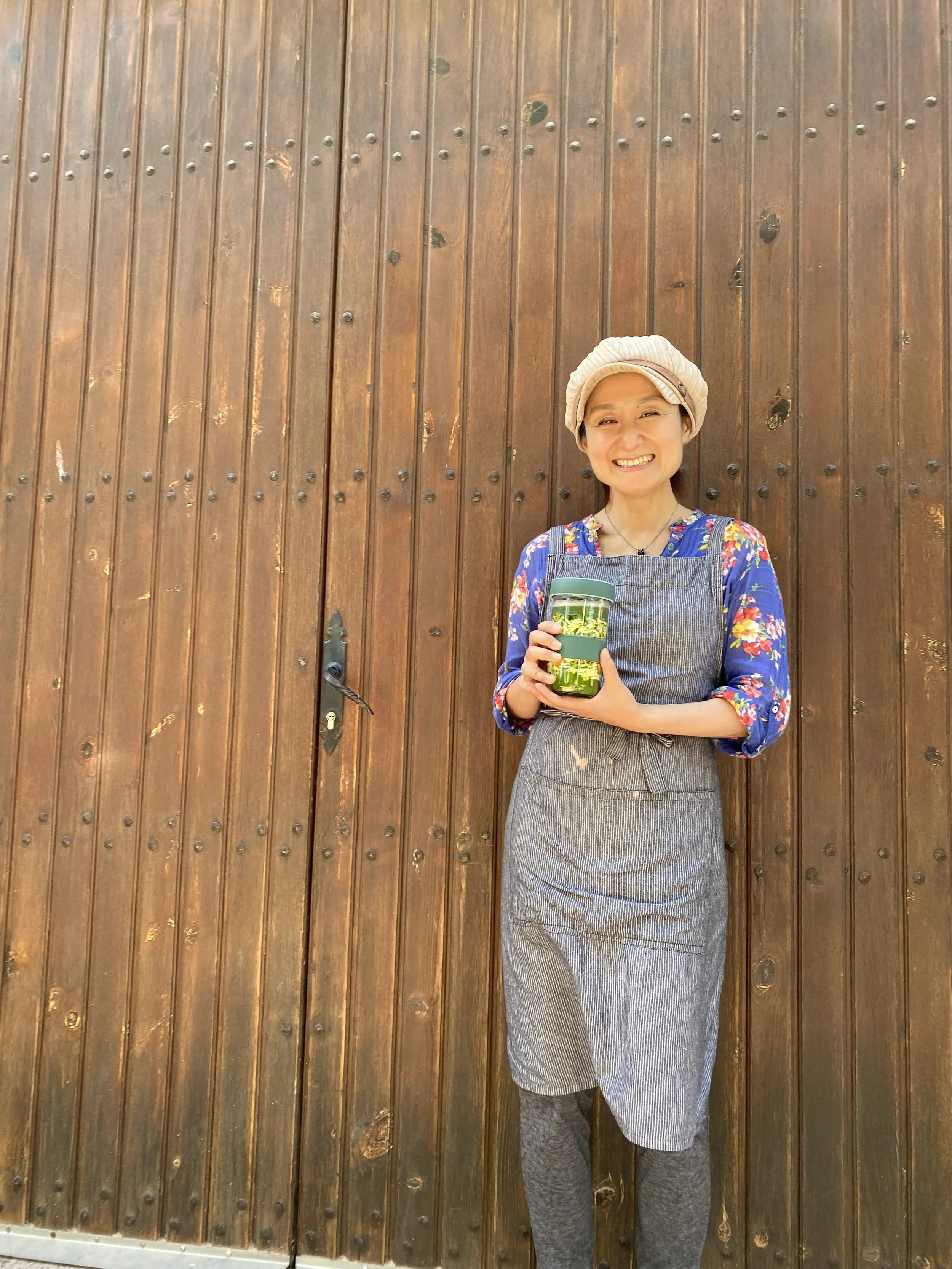
Chef. She began her culinary journey in 1998. Since 2021, through her project Pickles Natsumi, she has been passionately sharing Japanese gastronomy in Catalonia. Known for her unique and flavorful kimchi, she also teaches classes on fermented foods and Japanese cuisine. Her creations celebrate natural, umami-rich flavors, crafted entirely free of additives.
明星の訪れ
思い起こせば醤油麹の合宿を初めてやったのはイタリアのTempo di Vivereというエコビレッジでマルコに呼ばれて行った時でした。おそらく2019年の春か初夏頃だったと思います。ピアチェンツァにニコが迎えに来てくれて、そこから山の頂点にあるシェアハウスへ一時間ほど車で向かいました。
その後の醤油学もサルディニアやブリュッセル、オランダ、北欧のどこかでやっただけで、米麹に比べるとなぜかあまりやってこなかったような気がします。
昨年末には、神戸で久しぶりにこの醤油麹ともろみの合宿をし、やはり米麹の合宿との違いは初期設定として麹の使い道が決まっている点にあるなと思いました。そのため醤油づくりは各工程の学びの変容が長く、現在進行形で共に育っていく課題として有意義だなと感じます。
今回ジローナでその指揮をとってくださるのは、またもやオデッセイの操縦士である夏美さんです。コージオロジーは夏美さんの手によりバスクで夜明けを迎えました。本リトリートのテーマである「醤油オロジー」は単なる名づけですが、旅の目的として純粋に発酵を学ぶよい題材だと思います。この美しい場所で自分に学ぶことを許してください。
お申し込みは上記フォームから。詳細は上記英語表記をご参照ください。
クラスは英語です。